There’s a certain mystique around working at OpenAI. It’s not just another tech company—it’s a crucible for the future of artificial intelligence, where the line between science fiction and reality blurs daily. But what does it take to land a spot there? If you’ve ever wondered how to break into this elite circle, let me share some insights that go beyond the usual résumé tips. This isn’t about checking boxes; it’s about redefining what it means to be part of a movement.
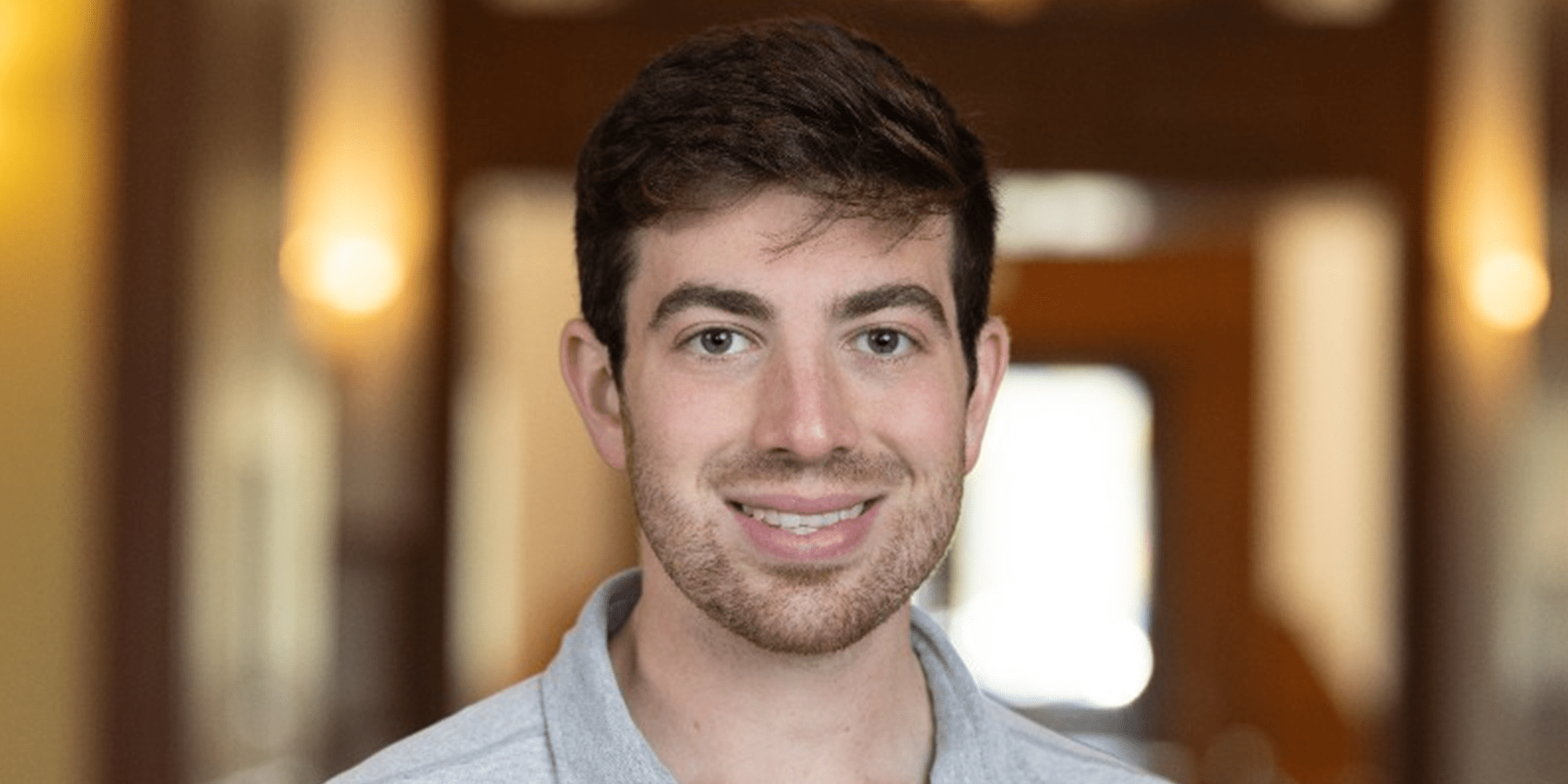
Let’s start with the obvious: passion. Ty Geri, a product manager at OpenAI, says the lab hunts for people who aren’t just competent but obsessed. That’s not hyperbole—it’s a cultural filter. OpenAI isn’t hiring for a job; they’re recruiting missionaries for a cause. But here’s the twist: passion alone isn’t enough. You have to demonstrate it through action. Want to prove you care? Don’t just talk about AI’s potential to change the world. Build something with their tools. Use them in your daily life, even if they’re imperfect. That’s the kind of grit OpenAI values. It’s not about waiting for perfection; it’s about pushing boundaries and embracing chaos. Personally, I think this reflects a deeper shift in how innovation is valued today—companies aren’t just looking for experts anymore; they’re looking for people who can tolerate ambiguity and thrive in it.
But let’s get real: passion is a buzzword. What separates the truly committed from the casual enthusiasts? OpenAI’s culture of experimentation is a litmus test. Geri describes a fallacy he calls the ‘dark room’ syndrome: sitting in isolation, only to emerge years later with a polished product. That’s not how OpenAI operates. They want you to build in public, to iterate loudly, to fail fast and fail often. This isn’t just about transparency—it’s about creating a feedback loop where ideas are tested in real time. What makes this fascinating is how it contrasts with traditional corporate hierarchies. In places like Google, innovation often gets buried under layers of bureaucracy. OpenAI’s approach feels more like a startup’s hustle, but with the resources of a global powerhouse. It’s a recipe for both brilliance and burnout, but that’s the price of being at the cutting edge.
Another angle: the role of networking. Geri’s advice to ‘push on the frontiers’ isn’t just about technical skills. It’s about visibility. Contributing to GitHub, publishing experiments, even cold messaging on LinkedIn—these are all acts of self-promotion disguised as professional development. But here’s the catch: in a field as competitive as AI, your online presence can be more valuable than your degree. I’ve seen too many brilliant minds get overlooked simply because they didn’t know how to showcase their work. OpenAI’s recruitment strategy is a microcosm of the modern job market—where your digital footprint is your resume. It’s not just about what you know; it’s about how you make others see your knowledge.
And let’s not forget the technical hurdles. Sundeep Teki, a career coach, warns that OpenAI’s interviews are notoriously rigorous. This isn’t just about coding challenges or algorithmic puzzles—it’s about proving you can think in the abstract, solve problems no one else has encountered, and adapt on the fly. But here’s a thought: maybe the real test isn’t the interview itself. It’s whether you’re willing to invest years in mastering a field that’s constantly evolving. The AI landscape is shifting faster than most industries, and OpenAI is at the epicenter of that storm. If you’re not prepared to learn, unlearn, and relearn continuously, this isn’t the place for you.
What does all this mean for the future of AI work? OpenAI’s model is becoming a blueprint for how innovation is managed in the 21st century. It’s a blend of idealism and pragmatism, where mission-driven goals collide with the messy reality of experimentation. But there’s a danger here: the pressure to be ‘always on’ could lead to a culture of burnout, where the pursuit of progress becomes an endless sprint. As someone who’s watched the AI space evolve, I can’t help but wonder: are we building tools to solve humanity’s greatest challenges, or are we just chasing the next big thing? The answer might lie in how we balance ambition with sustainability. After all, even the most revolutionary ideas need time to mature—and that’s a lesson OpenAI’s culture might still be learning.